The ambitious comparisons started before a ball was even kicked.
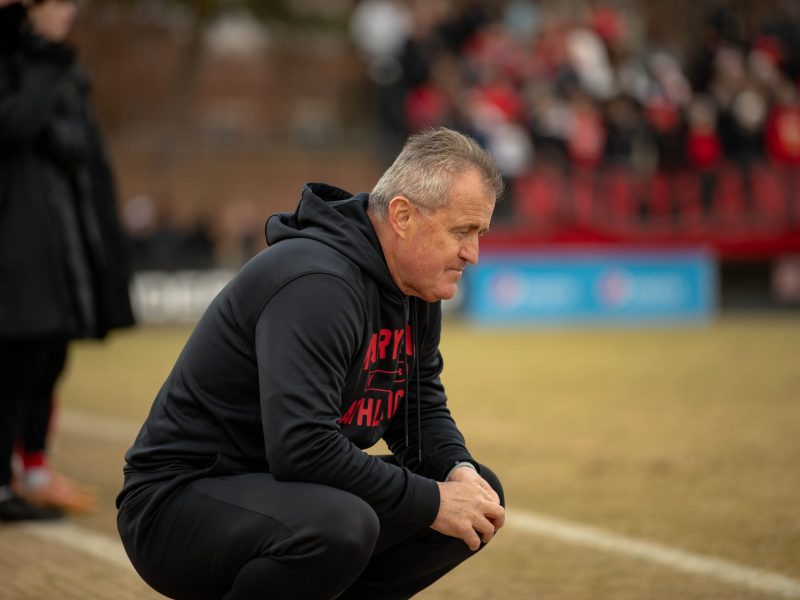
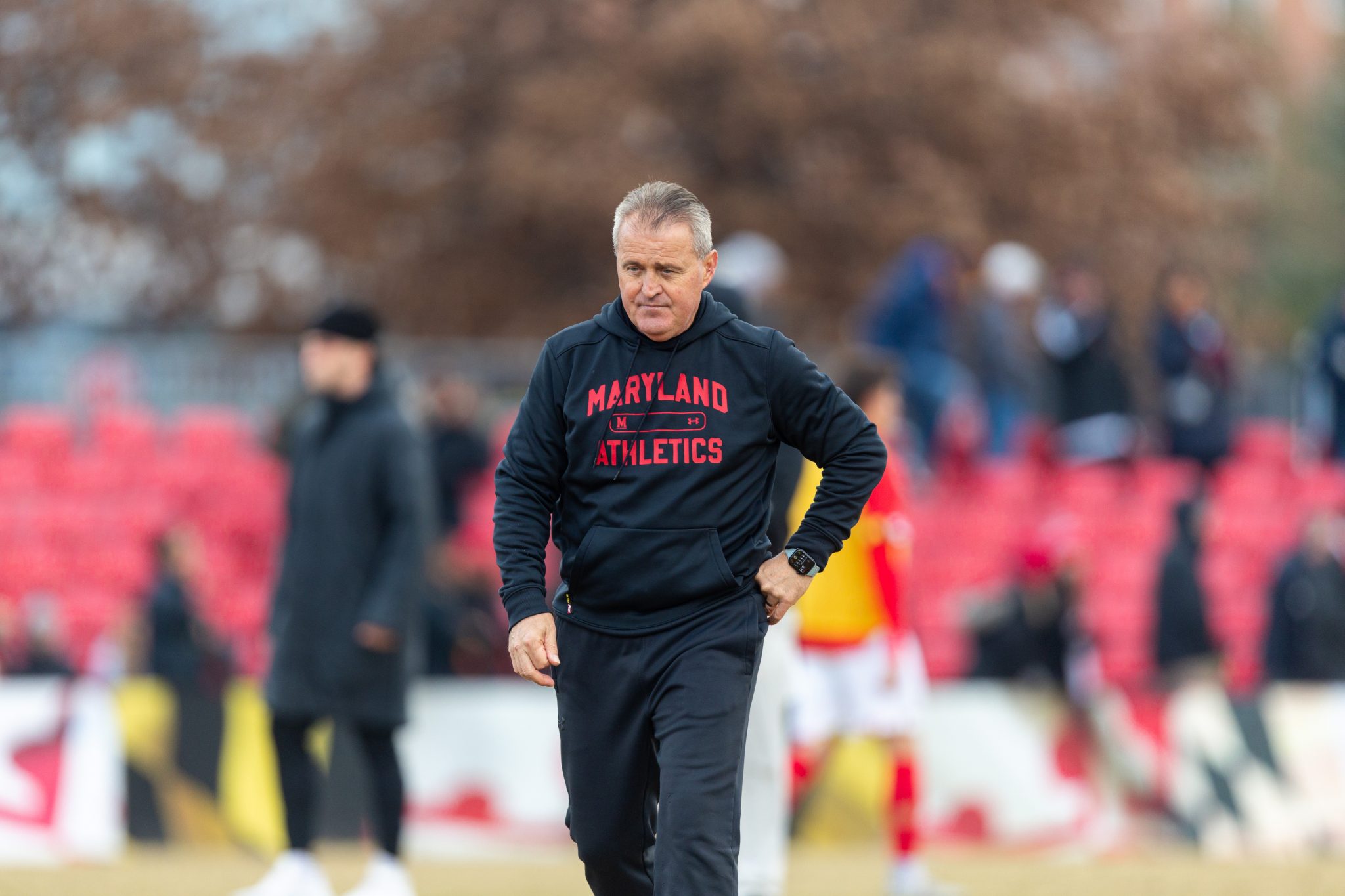
Six days ahead of Maryland men’s soccer’s season opener against Georgetown, coach Sasho Cirovski said this year’s team was his deepest since the 2018 national title-winning squad.
The Terps frequently validated that statement, winning 13 matches, capturing an undefeated Big Ten regular season title and reaching the quarterfinals of the NCAA tournament. But the group that shared several characteristics with Cirovski’s most recent national champions faced the ironic detriment of a linear path.
“We didn’t have to deal with a lot of adversity this year, and that’s something that we struggled with,” Cirovski said.
Maryland started 0-2-2 in 2018 and never had a winning streak longer than three games prior to its NCAA tournament run.
The 2025 Terps finished their year without a come-from-behind victory, a testament to their dominance, and spent only 78 seconds trailing during the regular season. The team breezed to its conference championship.
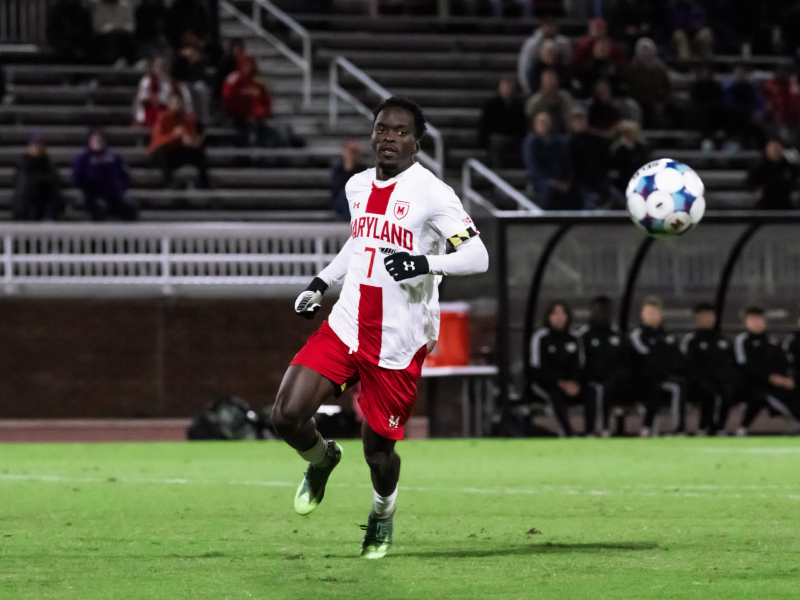
Predicated on speed, Sadam Masereka and Stephane Njike combined for 16 goals and 12 assists, forming one of the most productive winger duos.
[Maryland men’s soccer’s season ends in 3-1 loss to Washington in NCAA tourney quarterfinals]
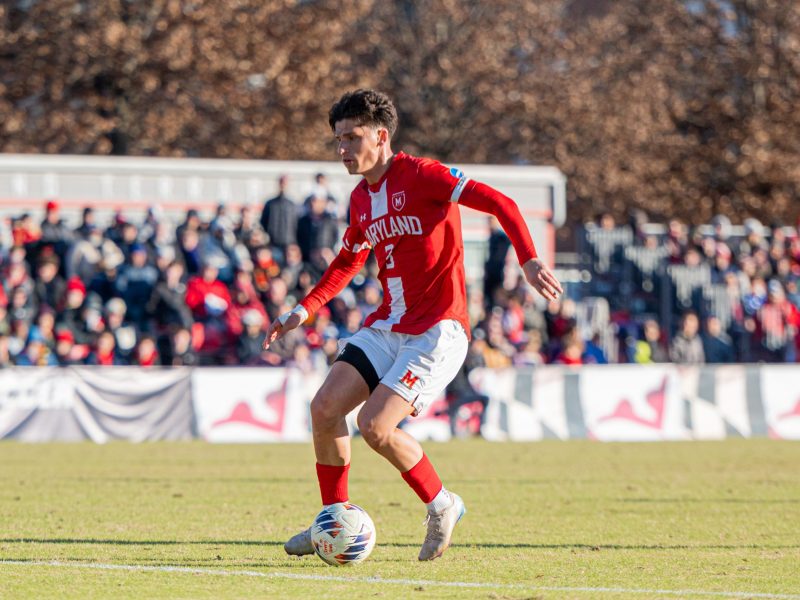
Maryland controlled possession in most matches behind a veteran-heavy midfield, and its backline — led by MAC Hermann Trophy semifinalist Lasse Kelp — conceded well under a goal per game during the regular season.
German goalkeeper Laurin Mack also made considerable strides in his second year. He said his communication with his teammates has gotten better as his English has improved.
Above all else, though, Cirovski’s squad remained predominantly healthy, preserving the team’s depth.
But all the factors that prompted the Terps to a +28 regular season goal differential, one of the best in the country, left them unprepared when struggles and injuries arose during the postseason.
Losing to UCLA in the Big Ten tournament semifinals was a reality check.
Right back Jace Clark left that contest with a second-half injury. Just over a minute later, the Bruins took a 1-0 lead, after converting an attack down the flank Clark previously defended.
With limited experience chasing a game, the Terps played frantically after falling behind and couldn’t mount a comeback. The final 15 minutes of that loss gave Maryland valuable experience with playing from behind — a situation that was likely to reappear during the team’s NCAA Tournament run.
It did and Maryland again looked shell-shocked.
[Maryland men’s soccer’s international players bond over cultural differences]
In the second half of Saturday’s 3-1 NCAA tournament quarterfinals loss to Washington, Maryland’s wide defenders struggled to dispossess opposing wingers, while centerbacks left attackers unmarked in the 18-yard box. On the other end, the Terps struggled to complete multiple passes at a time, failing to register a shot on target as a byproduct.
Maryland’s thin personnel factored into its most lackluster half of the season.
Clark played, but wasn’t fully healthy. Three Terps mixed in at right back, but it was to little avail.
Joseph Umberto Picotto — who led Terps regulars in assists per game — was out with an injury from the week prior. Fellow midfielder Kenny Quist-Therson also didn’t feature after filling in for First Team All-Big Ten selectee, Leon Koehl, when he missed Maryland’s NCAA tournament third round win over UConn.
Cirovski said Koehl “barely trained all week” ahead of Saturday’s loss against Washington. Compounding the problems associated with Maryland’s depleted midfield, Kelp also had an abbreviated practice week due to illness.
“There was some anxiety going into this game for myself and the coaching staff, knowing that … three-and-a-half to four starters [were] either out, or at 50% at best,” Cirovski said. “As the game wore on, this was a fear of ours. But that’s life.”
Facing adversity is challenging, but persevering through it is the defining trait of many national championship teams; it’s part of the reason why there hasn’t been an outright undefeated Men’s College Cup winner since 1980.
No one gets a trophy for losing in the NCAA tournament quarterfinals either, but with 213 teams in Division I, being one of the last eight standing is an accomplishment on its own. Maryland’s three-time national championship-winning coach recognizes that and he won’t let the scarce blemishes belittle his program’s unequivocal best season since 2018.
“I would rather be in the Elite Eight and not advancing than never get to the Elite Eight,” Cirovski said.