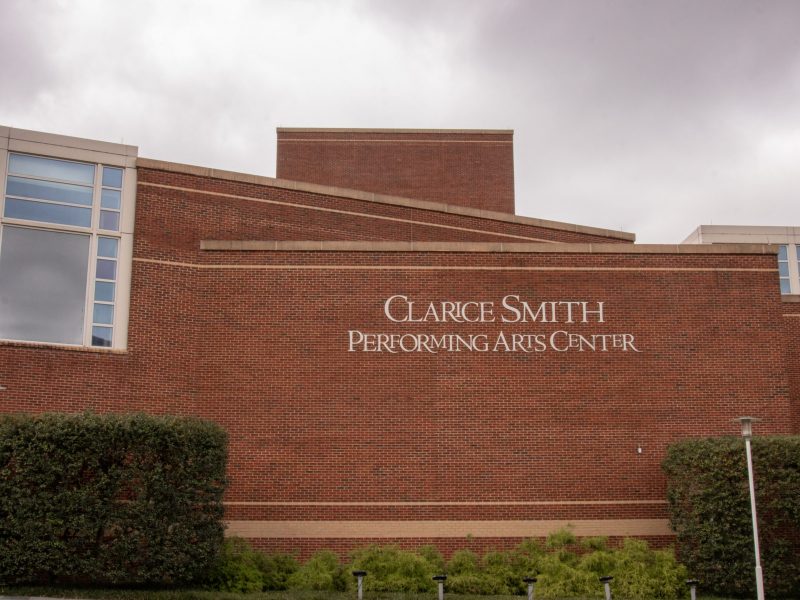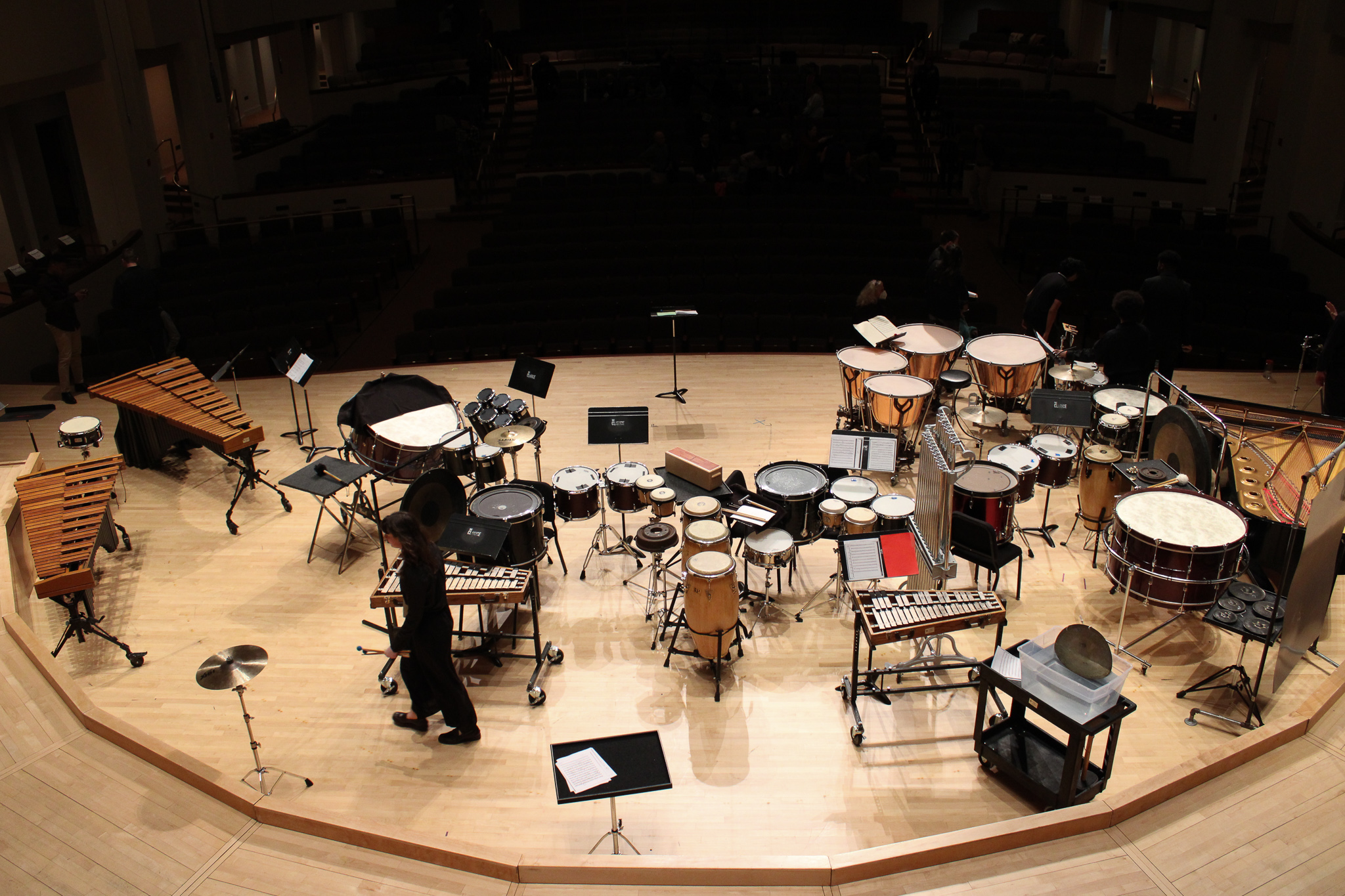
The University of Maryland Symphony Orchestra held its end-of-year performance on Sunday in The Clarice Smith Performing Arts Center, playing composer Pyotr Ilyich Tchaikovsky’s Symphony No. 4, a timeless work in the world of classical music.
Written in the 1870s, the Fourth Symphony represents a difficult time in Tchaikovsky’s life when he was struggling to gain recognition as an artist.
John Pablo Rojas, a first-year graduate student in music performance and cellist for the orchestra, said Sunday’s performance resulted from months of hard work for the orchestra. It was the culmination of a semester of dedicated rehearsing and individual practice.
“[It was a] really intense rehearsal process,” he said. “It’s like a pre-professional kind of vibe, which is really nice, and it’s really good for young orchestra players to have that kind of experience.”
The group performed two other pieces leading up to the main event — Danzón No. 2 by Arturo Márquez and Daphnis and Chloé Suite No. 2 by Maurice Ravel, both of which highlighted unique strengths of the ensemble.
Sophomore music education major Briana Truitt said she went to the orchestra’s performance with an interest in the repertoire.
“The first piece that they played, the Danzón No. 2, I really wanted to hear that live,” she said after the performance. “I thought it was really cool.”
[The Clarice celebrates Japanese, Balinese traditions in joint concert]
Danzón No. 2, conducted by doctoral student Andrew Samlal, opened the night with energetic variety. The piece began with the strings playing pizzicato, plucking their strings with their fingers along to the slow and sweet melody in the clarinet section.
Soon, the strings began bowing with the winds, and the melody increased in intensity before backing down once more. This push and pull of dynamics continued until the piece came to a final, triumphant ending.
The second piece, Daphnis and Chloé Suite No. 2, originated from a ballet score. Through only instrumentals, each of the piece’s three sections conveyed the drama and emotion of the ballet’s narrative in unique ways.
Rojas said Daphnis and Chloé was his favorite of the program.
“It’s just really beautiful, the way [Ravel] writes, the colors and emotions that he can get out of the writing,” Rojas said.
[History has its eyes on SEE’s ‘Hamilton’ sing-along screening]
The third and final piece, Tchaikovsky’s Symphony No. 4 in F Minor, featured 4 sections and 40 minutes of romantic era elegance.
The concert program gave guests a few helpful details to listen for in Tchaikovsky’s Fourth Symphony and the Ravel piece, offering insights into changing dynamics and highlighting solos.
The first section, more than 20 minutes long, contained calm solos and full-ensemble music swells. The program’s promise of “sweeping climaxes” contrasted with “waltz-like” wind themes was certainly fulfilled, making for an engaging opening segment.
Truitt, a French horn player, was familiar with parts of Symphony No. 4 from past auditions.
Other audience members also showed familiarity with the centuries-old symphony.
“I actually grew up listening to classical music,” said Camryn Gilliard, a labor and delivery nurse from Florida. “My mom, every time we go anywhere in the car, she listened to classical music … I’m familiar with the end piece for tonight. I think it’s just really cool to see it live.”
Gilliard and her spouse, child welfare social worker Niki Wales, traveled all the way from Florida to see Wales’s cellist sister perform.
“It’s absolutely gorgeous, and all of the players are so talented,” Wales said.
Showcasing the orchestra’s versatility, the Fourth Symphony’s third movement was entirely pizzicato in the string section.
The fourth and final movement of the Fourth Symphony, and the performance’s climax, began and ended with an explosion of sound and energy. Featuring rapid rhythms across the ensemble, the culminating section ended the concert with a bang.
The success of the performance, Rojas said, came from the audience’s enjoyment.
“I think we gave them a really nice musical experience,” Rojas said. “That’s what it’s all about.”