Views expressed in opinion columns are the author’s own.
When was the last time Black Friday felt exciting? The international shopping day’s popularity has been declining recently as more shoppers transition to online retail, but this year felt different. It felt hollow and artificially engineered.
As the holiday shopping season approaches, it’s clear this wasn’t a one-day glitch. It was a sign something is shifting.
Two numbers explain why. This Black Friday, online catalogs saw an 805 percent spike in artificial intelligence traffic from last year, while almost three-fifths of shoppers reported using AI tools to guide their purchasing decisions.
This should ring alarm bells. AI was supposed to accelerate society. Instead, it now shapes what young people want before they even know they want it. Targeted feeds, algorithmic trends and manufactured aesthetics reach young teenagers faster than any real human influence can.
It might seem like a joke, but if you’ve talked about buying the newest Matcha Labubu Dubai Chocolate, then you’ve already felt this pressure. That product exists because algorithms spread it like wildfire.
This problem isn’t Black Friday itself. The renowned shopping day already struggles with tanking deals and lower in-person traffic. But it exposed a deeper shift. This year showed me how generative AI has shaped our generation’s spending and identity. Students waited to shop online because their feeds told them where the ‘real’ deals were. Platforms such as Temu and Shein now dominate shopper’s minds, pushing fast-fashion trends and a disposable approach to buying.
Our generation is the most susceptible to this type of influence. This November, I worked my fourth consecutive Black Friday as a barista in Tyson’s Corner Center, a Virginia mall that is one of the few in the nation still drawing large crowds. I watched kids film TikToks inside the new clothing store Edikted before leaving empty-handed.
Even on break, my friends and I noticed online-only deals and saw how AI tools including Claude or ChatGPT could easily surf dozens of retail sites to find ‘the best price.’ AI even convinced shoppers to buy more expensive items this year.
Students are becoming passive in a system designed to manipulate them, not help them. Black Friday was a warning sign the exploitation of Gen Z is accelerating faster.
This university can respond with real action. We can start with basic consumer literacy programs to explain how algorithmic pricing and AI feeds affect behavior. Students should understand how these systems target them before pushing back.
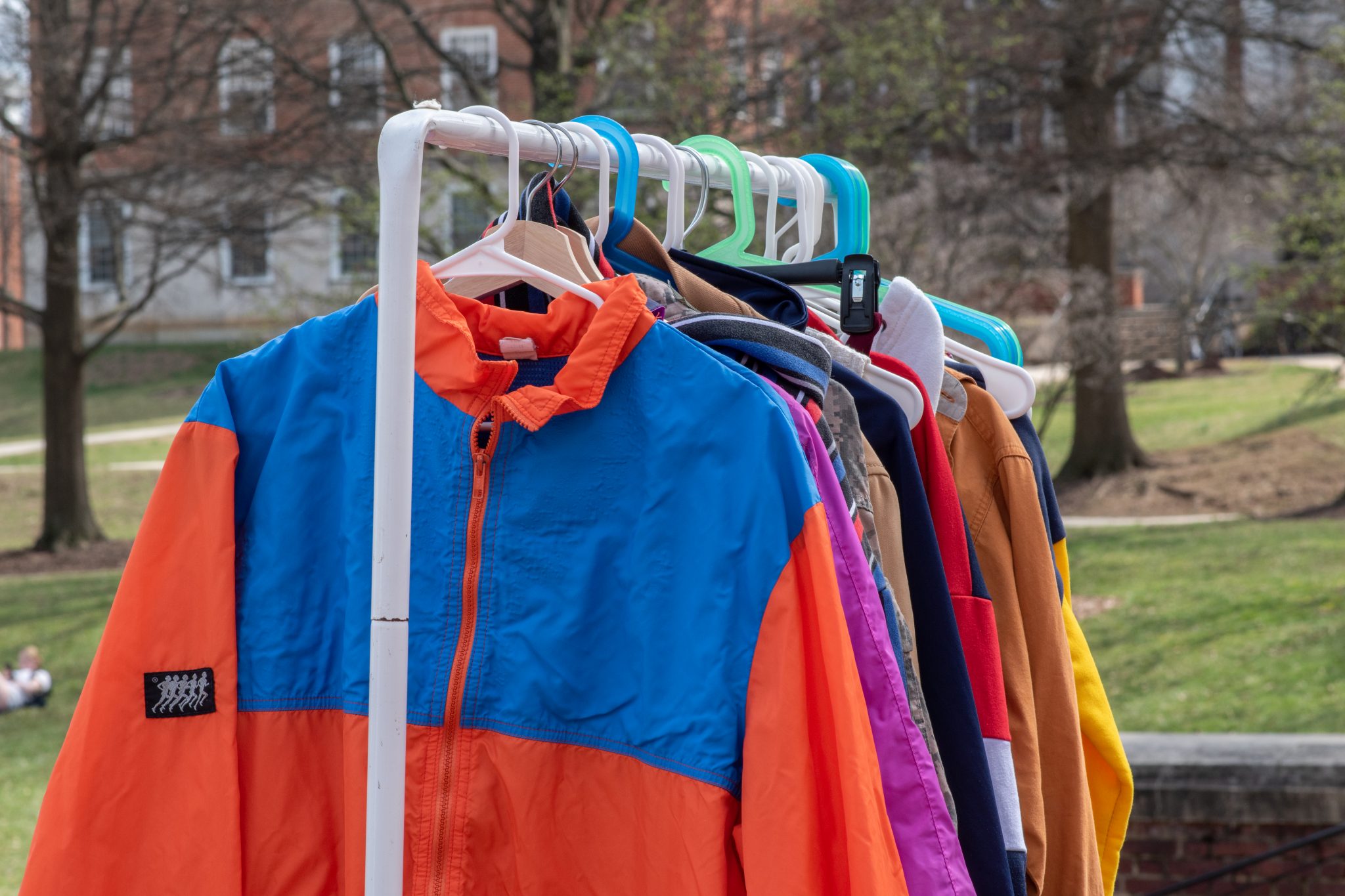
Awareness is only the start. The university can also give people more alternatives to online trends. More farmer’s market style events, like the one at Tawes Plaza, would support local vendors and student businesses. These spaces create community and a space to share creativity, something you can’t find scrolling through the overstimulating hellscape of TikTok Shop.
But why does this matter? Why worry about society gaining futuristic tools to make shopping easier?
The answer is autonomy.
For years, algorithms have influenced basic habits, from hygiene tips to convincing you to buy the $230 iPhone sock. AI isn’t helping you because it wants the best for you. In fact, it’s quite the opposite, wanting whatever is profitable.
When you rely on the algorithm to tell you what to buy, your choices become reactionary and impulsive rather than intentional.
It’s not like AI actually makes good decisions, either. Studies show consumers feel less satisfaction when having AI take over their shopping cart and are less connected to their products. Generative AI is also notably a ‘yes-man,’ so trusting it with your financial decisions erodes your capability to think critically. That’s why it’s more important to have community spaces around campus that encourage real, human advice.
This change matters beyond shopping. Allowing AI algorithms to dictate what you buy makes it easier for them to dictate what you believe. The same systems that help push these micro-trends also push political propaganda and narratives.
Three corporations manage more than $22 trillion in assets and own most of these platforms where you shop, scroll or get your news. When the same companies shape your attention, your spending and your worldview, the loss of autonomy is no longer theoretical.
We are the generation who is targeted, but we also have power. No one is saying to stop shopping or using AI. It’s foolish to ignore the technological marvel that is generative intelligence. But Black Friday showed what can happen when we stop making decisions for ourselves. AI will keep learning, recommending and influencing.
It’s time to reclaim our autonomy before we lose that and the fun that comes from human choice.
Arjun Bhide is a freshman government and politics major. He can be reached at abhide1@terpmail.umd.edu.