It seems Netflix cannot keep anything good for long, and its history of poor writing has victimized what was once a great film series.
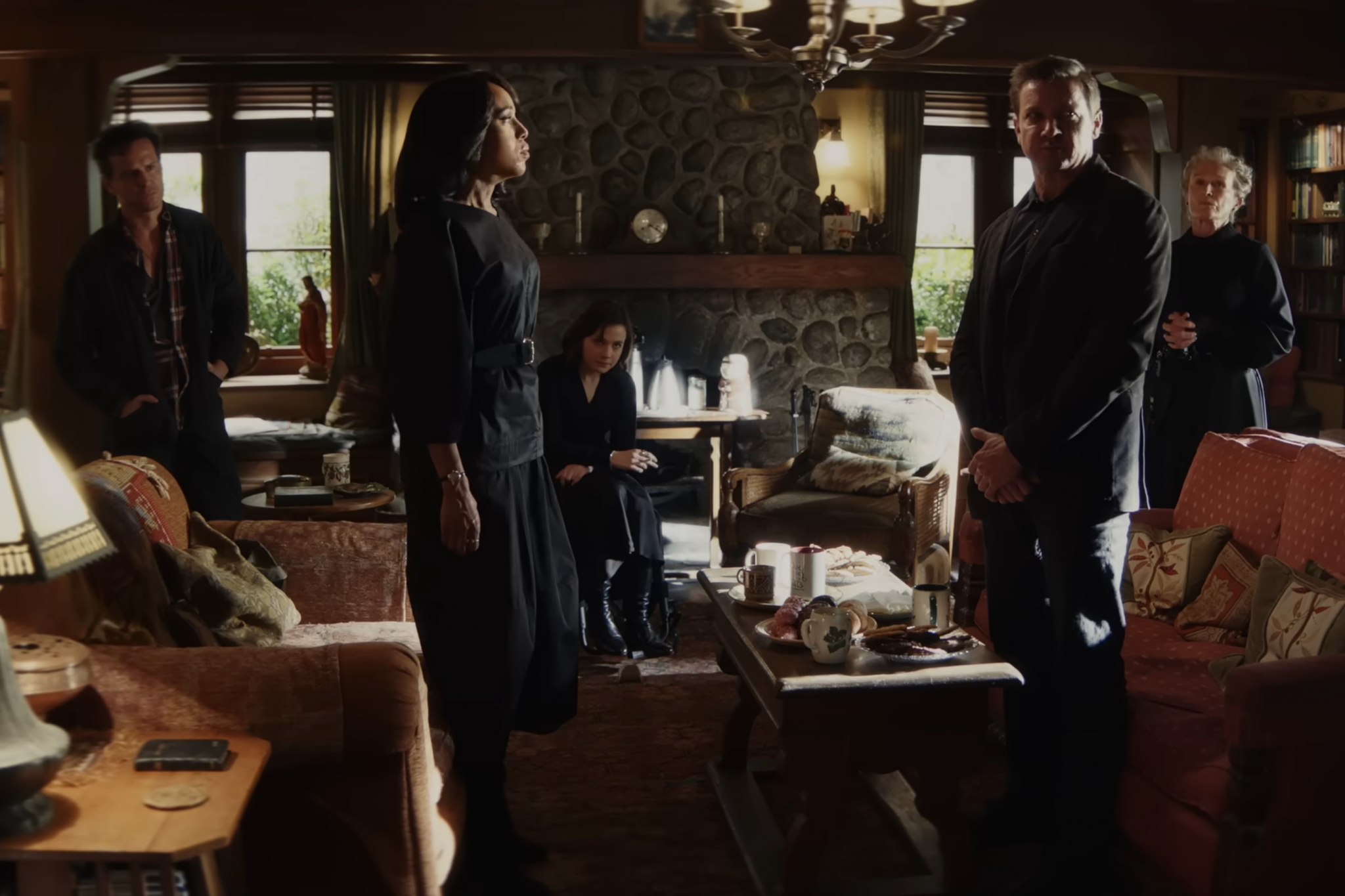
The third installment of the Knives Out film series, Wake Up Dead Man: A Knives Out Mystery, had its limited theatrical release Wednesday. Directed by Rian Johnson, it features a star-studded cast with actors including Josh O’Connor, Kerry Washington and Daniel Craig, who reprises his role as the offbeat detective Benoit Blanc.
The film follows priest Jud Duplenticy, played by O’Connor, who relocates to a small Catholic church led by the vicious Monsignor Jefferson Wicks, portrayed by Josh Brolin, who manipulates parishioners into excessive donations through empty promises. Wicks even promises to restore a woman’s ability to walk with the power of God.
The film critiques religious power while also showing religion’s ability to inspire hope in others, specifically through Father Jud’s motivation to help people and spread love and service through his Catholic faith.
With such a unique plot, the film seems destined for greatness. Yet, its confusing storytelling sets it up for failure instead.
For the movie’s first quarter, it’s very unclear where the story is going. While that may seem like the point of a murder mystery, the suspense drags on when the murder hasn’t even happened yet.
The film only really starts when the Monsignor surprisingly dies in a closet after being mysteriously impaled.
[The ‘Wicked’ sequel did not change me ‘For Good’]
But the rest of the movie still branches off in far too many directions to be watchable — unless you paused and jotted notes every 30 minutes, something rather impractical for theater viewers.
The film succeeded in character development, with Jud and Craig’s Blanc experiencing multiple ups and downs in a murder case in which Jud is the primary suspect due to his dislike of Monsignor Wicks’ preaching methods.
When Jud was tempted by guilt to turn himself in, Blanc, who believes in his innocence, stops him and urges him to keep helping to find the murderer. He claims he wouldn’t help the church by giving in to the hysteria incited by Monsignor Wicks.
They both doubt each other’s methods, with Jud’s allegiance to the church conflicting with Blanc’s urgency to solve the murder. But in the end, they both learn that their ways of life are what make them unique.
Jud’s compassion and forgiveness, along with Blanc’s strategic nature, make them a likable pair for audiences.
Although these two characters are well-developed throughout Wake Up Dead Man, the rest of the cast lacks a concrete purpose.
[UMD students reflect on a changing holiday season landscape]
While supporting characters were comedic in Knives Out, their presence within each scene made the mystery and family dynamics all the more interesting.
A movie revolving around a church could set up numerous interesting dynamics between characters. Think about the oddballs that attended your local church as a kid. It could’ve been beneficial to have a character-driven focus, especially during Blanc’s interrogation sequences, which the first film did excellently.
It seemed like throughout the film, the audience was supposed to see how hurt the church-goers were by Monsignor Wicks’ manipulative ways, but it only came to fruition at the very end. The supporting cast was otherwise super forgettable, a shame considering the highly talented group.
Lawyer Vera Draven’s frustration with the Monsignor was evident, but Washington’s acting chops were not nearly utilized enough, as she stands back and takes little action throughout the film. Imagine Washington channeling her inner Olivia Pope and giving a Scandal-esque monologue against the Catholic Church. I was sitting around waiting for that moment and it never came.
The big reveal at the end was unsurprising, though it did lead to a riveting final monologue, delivered in true Catholic fashion.
Although Wake Up Dead Man had some standout moments, the movie failed to capitalize on many essential parts that made the original so amazing.