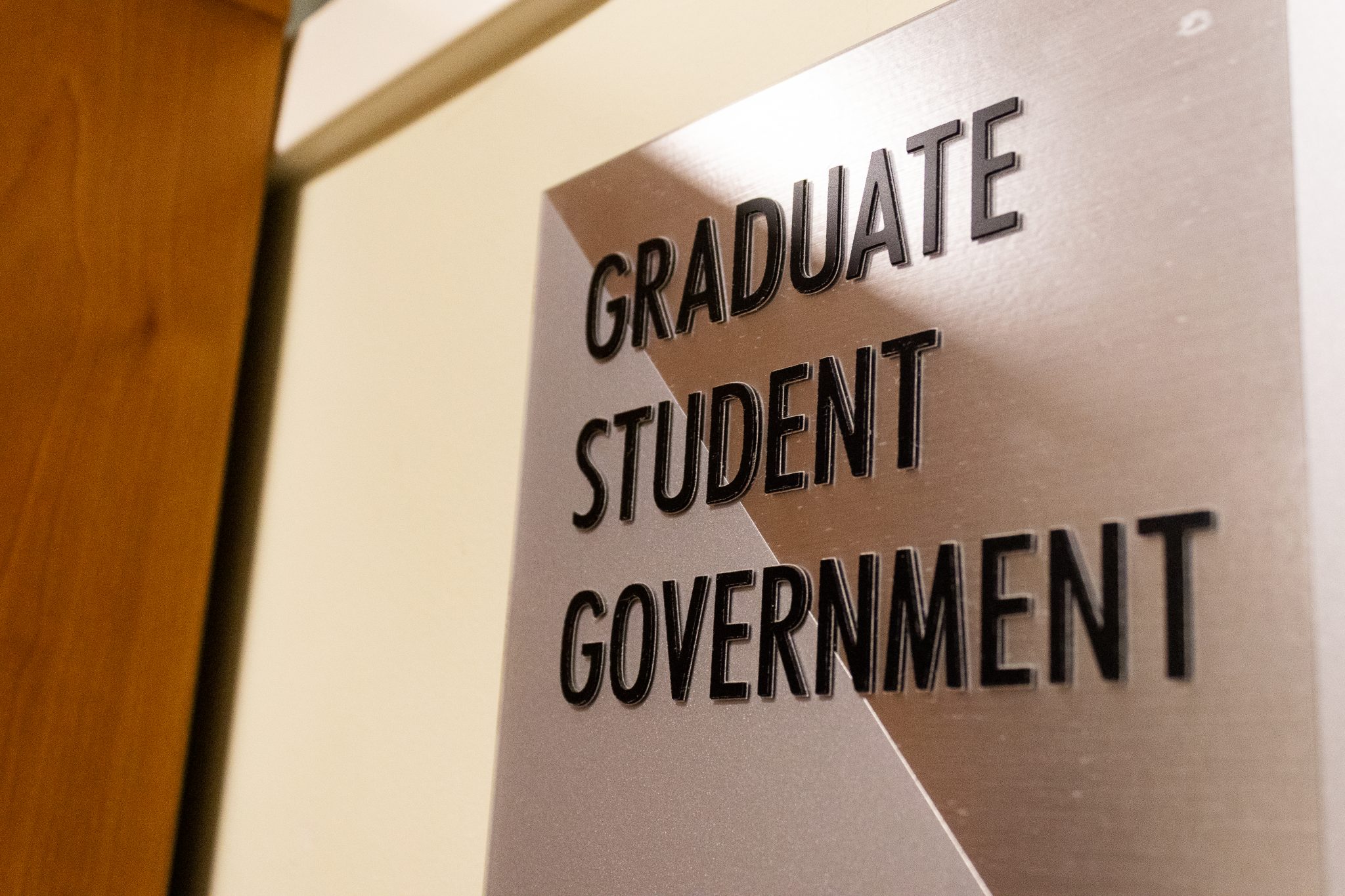
As the University of Maryland GSG reaches its highest membership in five years, program representatives are focusing their efforts this year on supporting international students.
At the beginning of the semester, the Graduate Student Government formed an international student affairs committee to advocate for international students and the issues facing their community. Since its creation, the committee has become the governing body’s largest with about 15 members.
The committee’s growth comes as the organization as a whole has grown.
After starting off the year with just 17 members, the GSG now has more than 50, wrote GSG president Keegan Clements-Housser. He estimated about half of those members are international students.
Many students likely ran for seats in the assembly to be a part of the international student affairs committee, the journalism doctoral student said.
Clements-Housser said many students are uncertain about visa issues. Seven international students at this university last spring had their visas revoked and later restored.
“There’s been concerns about not being re–admitted back into the country if you visit family over the break,” Clements-Housser said.
These issues drove many students to get involved, he said.
[UMD graduate workers march for collective bargaining rights, union recognition]
Gabriel Dogbanya, an international student from Nigeria and maternal and child health doctoral student, said he ran for the GSG to represent his program and be a voice for international students’ concerns.
Dogbanya said that he considers the current immigration climate as unsettling.
“So as an international student, it’s also good to be in these forums where issues related to student welfare, student academics and everything related to the graduate students [are] being discussed,” he said.
New GSG representative and first-year finance graduate student Mayank Kaserwal said he ran, like Dogbanya, to represent his program constituents and international students.
“Most of the international students, sometimes they don’t feel like speaking up, or they think if they speak, then something can happen to them, or nobody would listen to them,” Kaserwal said.
Nora Jameson, an epidemiology and biostatistics doctoral student who has been a part of the GSG since 2022, credits some of the increase in members with international student involvement, unionization efforts and GSG outreach.
“There’s so much stuff going on with international students right now, and so much stuff going on in general in the last year, since the election,” Jameson said.
Several members of the GSG said there were other factors to the increase in membership.
[UMD SGA passes act urging university to recognize Graduate Labor Union]
Cody Norton, a teaching and learning policy and leadership doctoral student, recently won a seat during the GSG’s special election. He ran for GSG to advocate for collective bargaining rights and for more recognition of the Graduate Labor Union.
Norton has also been concerned about the Trump administration’s recent attack on diversity, equity and inclusion initiatives, he told The Diamondback. Most of his research is related to social justice and critical pedagogy, he said, which may be targeted by the federal government.
“I want to ensure that the university lives up to its values of diversity, equity and inclusion, especially when it comes to protecting the rights of students to study and teach the social justice values that they firmly believe,” Norton said.
He added being part of the GSG gives him greater access to this university’s administration to advocate for collective bargaining rights for graduate student workers. Similarly, Norton said his role will allow him to elevate perspectives of LGBTQ students and students of color — and make the university listen to those voices.
Joshua Lucker, a GSG representative and biophysics doctoral candidate, said he credits the executive board’s leadership for the increase.
Lucker also said the large number of international graduate students in the GSG is likely a reason for the committee’s size.
“Especially with the current political climate, a lot of people just want to make sure that international graduate students are doing OK,” Lucker said.