The College Park City Council unanimously passed a revised tax credit program last week after two years of work sessions.
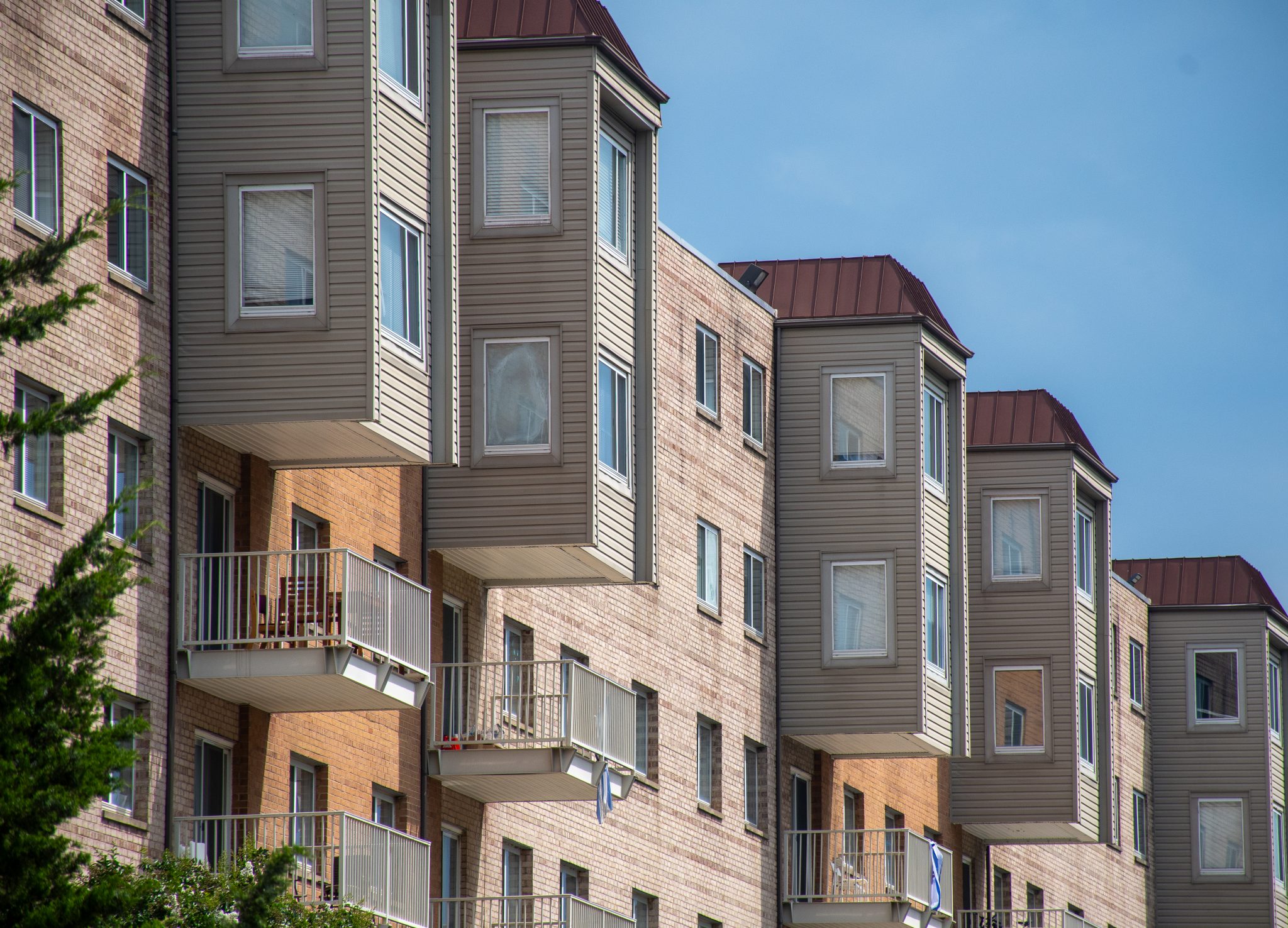
The tax credit program is aimed at encouraging more affordable student housing and other community-focused developments.
The program allows property owners and developers to receive city property tax breaks if they build or renovate qualifying projects. This includes affordable student, workforce and senior housing, daycare centers, vocational training centers, entertainment venues and projects that include tree planting or green infrastructure.
Projects can receive one of two tax credits: a five-year credit that starts at 75 percent and phases down to 15 percent, or a longer 15-year credit at a flat 60 percent, available only for select large-scale projects approved by the city and county.
[UMD College Park student liaisons plan to focus on housing issues, civic engagement]
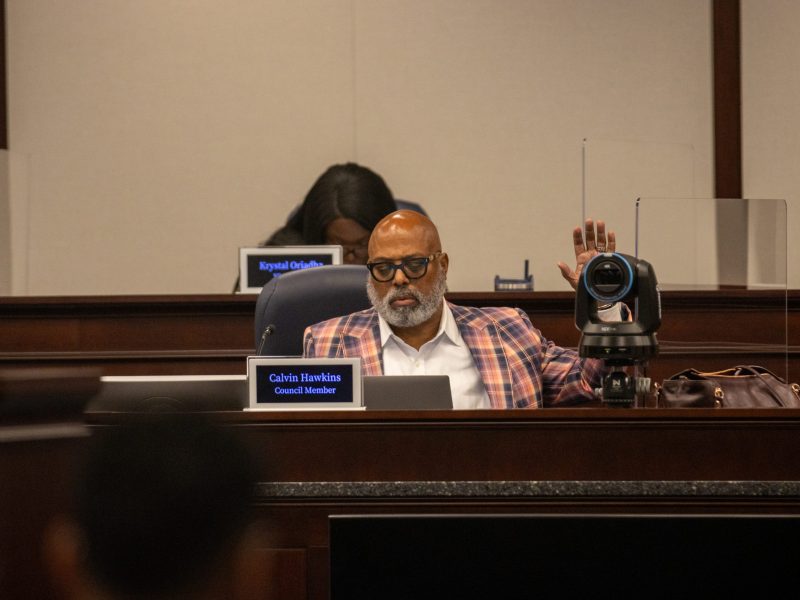
Council members expressed their support for the tax credit during a public hearing last Tuesday.
District 1 council member Alan Hew said the program will help bring beneficial businesses to the city.
“These are things that are needed in our community,” Hew said. “We’re doing it for the reasons to support what is lacking — child care, senior housing, affordable housing.”
Nick DiSpirito, the student liaison to the city council, said the inclusion of affordable student housing is rare in tax credit programs and reflects the student liaisons’ goal of addressing high housing costs for students.
“I hear from students time and time again that the prices in this city to afford monthly rent, even when it’s divided among multiple roommates, are very unaffordable,” DiSpirito said. “This encourages developers who are coming into College Park to make more spaces and units that are actually affordable.”
He added that more housing developments would also help the university address the challenge of accommodating all students.
“We’re having a situation where there’s not enough supply, a lot of demand, and the prices are rising exponentially,” DiSpirito said.
Entertainment facilities also qualify for the tax credit program, according to city documents.
Rehanna Barre, the city’s economic development coordinator, said this could attract businesses like the former MilkBoy ArtHouse, a music venue, restaurant and bar on Route 1 in downtown College Park that closed in 2020.
“It served as an interesting way of bringing a different entertainment dynamic to the city, rather than just being a restaurant or a retail space,” Barre said.
[College Park partnership looks to connect senior citizens with local community]
She added that tax credits for workforce housing and vocational centers could help incentivize more students to stay in College Park after graduation.
There are not yet any new businesses set to develop in College Park as a result of the tax credit, Barre said.
Some residents expressed concerns that the tax credits could raise prices or taxes for others in the city, but city officials said the program would not increase any costs for residents.
District 2 council member Susan Whitney said attracting new businesses would bring in additional revenue for the city.
“That would be new revenue to the city that we don’t have at all right now,” Whitney said. “Whatever percentage of that revenue that we forgive in the form of a tax credit still leaves a lot of other taxes on the table to benefit residents.”