Disclaimer: Dhruvak Mirani is a former Diamondback opinion columnist.
Amid the recent reports of body lice at the University of Maryland, community members have been crawling with questions regarding the whereabouts of the suspected insects.
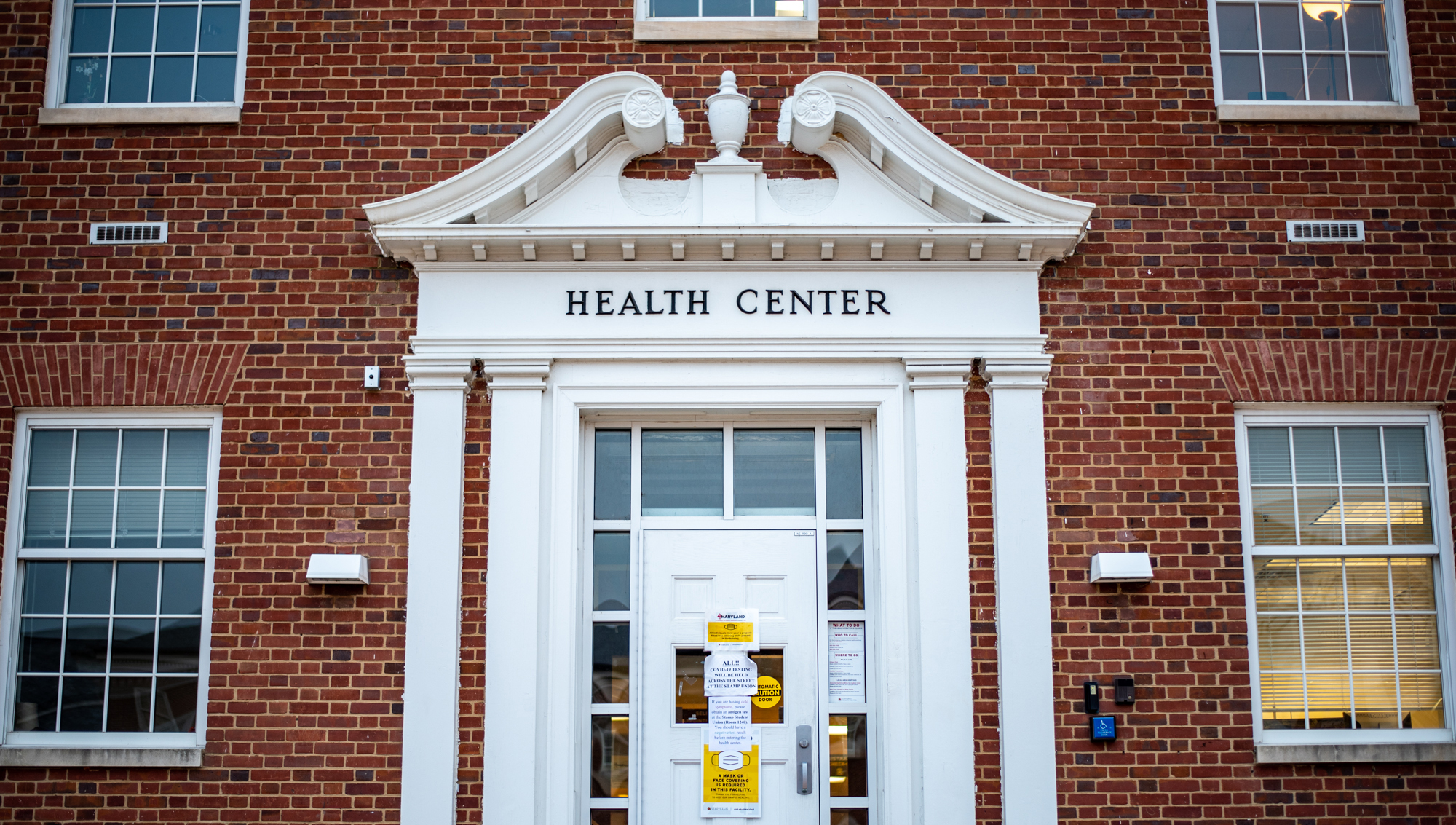
The university confirmed that all areas with evidence of lice have been thoroughly treated, according to a campuswide email from the University Health Center on Friday. At this point, the lice have been identified by facilities teams on the fourth floor of McKeldin Library and in a Kirwan Hall restroom, according to the statement.
The university deployed pest control units on Wednesday after receiving a report of a bug infestation at McKeldin Library. The email emphasized that the body lice incidents were localized and remedied, and ensured students that they are safe to move freely around campus.
The university will continue inspections to ensure no additional areas are identified.
Body lice are small, parasitic insects that can cause intense itching and rashes. They are spread through direct contact and can be killed with hot water.
[Here’s what you should know about body lice]
Many students have voiced concerns about the university’s lack of swift communication regarding the body lice.
Despite the initial report of body lice on Wednesday, this university did not send a campuswide email about the lice until Friday afternoon. Speculation about the lice has spread through social media apps such as Reddit and YikYak.
With the initial lack of university communication, some students were likely not aware of the reports of lice, freshman Samantha Ross said.
Ross stood outside McKeldin Library on Thursday, holding a sign letting people know about the report. The government and politics and social studies education major said she originally found out about the outbreak on YikYak Wednesday after spending time in the library earlier that day.
“I just started freaking out,” she said. “I washed all my bedding, I washed all my clothes, I put my stuffed animals and my duvet through the dryer … I kind of felt like I was going crazy.”
Ross said the amount of misinformation on social media also played into her growing anxiety.
”There has been no widespread confirmation of where has lice and where doesn’t,” she said Thursday. “It’s very anxiety inducing and it only becomes worse because I feel like we have no idea where it’s at.”
Ross, who has worked at the university for a couple years, said the lack of an early campus notification was odd based on their past consistent communication. She described examples of carjackings and storms where the campus community was notified, but could not believe reports of lice were different.
[UPDATED: UMD responds to body lice on campus]
The Student Government Association president, Dhruvak Mirani, has contacted administrators since Thursday morning, urging them to be more transparent about the lice.
“More transparency in this situation can only be positive,” the senior computer science and international relations major wrote in a statement to The Diamondback Friday morning. “If students should be taking precautions, they need to know as soon as possible; on the other hand, if precautions are not necessary, the university should say that plainly to prevent undue panic.”
Freshman Praneel Suvarna thought it was important for the university to notify students about the reports of body lice because most of the information was only on social media.
The government and politics and philosophy, politics and economics major said he found out about the lice through Ross on social media.
Suvarna made a sign and stood outside McKeldin Library for a couple hours Thursday, where he was briefly joined by Ross. He said many students approached him outside of the library with questions regarding where the lice was reported and what to do.
“I’m thankful to [the university] for putting out a message,” he said. “I think it’s a little bit too little, too late.”
The campuswide email on Friday urged anybody experiencing symptoms to report to the health center. The email recommended that all community members bathe and wash their clothes regularly to prevent the further spread of the lice.