The Trump administration has changed its mind on whether College Park, Prince George’s County and a slew of other Maryland communities should be considered sanctuary jurisdictions.
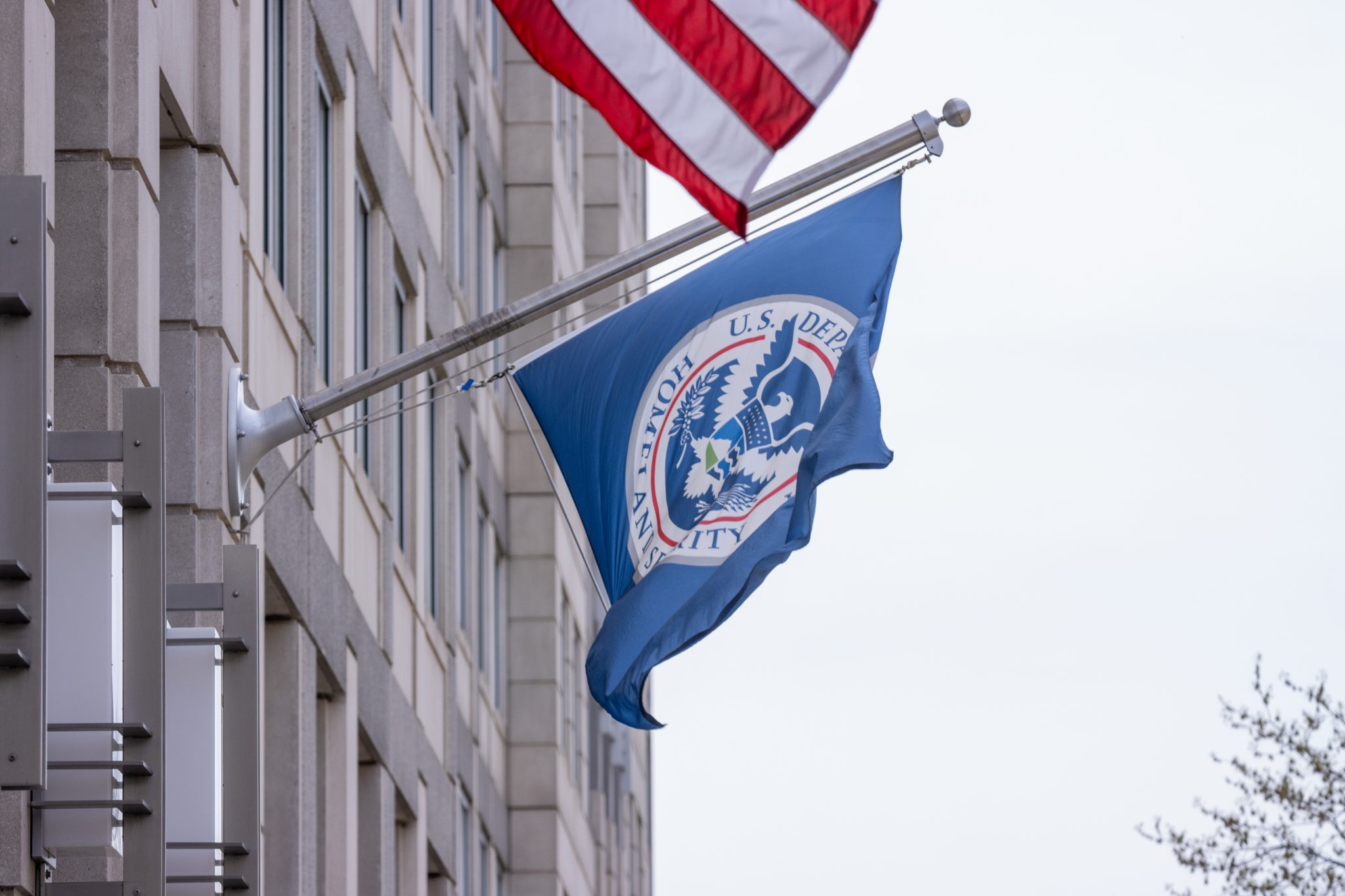
The Department of Homeland Security issued a list on May 29 of hundreds of what it calls sanctuary jurisdictions — communities across the country the administration said were “deliberately obstructing the enforcement of federal immigration laws.” The state of Maryland, 10 of its cities and eight of its counties were included on the initial list.
But following widespread public backlash from local and state government officials, the list was removed from the department’s website just days later.
Under a significantly revised list released Tuesday by the Department of Justice, Baltimore County is the only Maryland community still identified as a sanctuary jurisdiction.
Baltimore County Executive Kathy Klausmeier said in a public statement Tuesday, however, that the county is not a sanctuary jurisdiction.
“We believe our inclusion on this list was in error,” she said. “Our Office of Law is currently contacting the Department of Justice to correct this mistake.”
Klausmeier said public safety remains a top priority for the county, which practices community policing — an approach which she said enhances safety by encouraging cooperation with law enforcement at different levels”
“We will continue to support our valued law enforcement personnel while following federal, state, and local laws,” she added.
[Trump administration lists 18 Maryland cities, counties as sanctuary jurisdictions]
While the department didn’t specify what led to each jurisdiction being included on the new list, it highlighted nine characteristics of sanctuary jurisdictions, including:
- Public declarations that they are a sanctuary jurisdiction or an equivalent designation.
- Laws obstructing or limiting cooperation with Immigration and Customs Enforcement.
- Limiting whether and how local agencies share information about immigration status of detainees with federal authorities.
- Prohibiting local funds or resources from being used to support federal immigration enforcement efforts.
- Refusing to honor ICE detainer requests unless they receive a judicial warrant.
Being considered a sanctuary jurisdiction carries a price, as the administration has threatened to revoke federal funding and potentially seek legal action against communities included on the list.
In an April executive order, President Donald Trump directed the federal Office of Management and Budget, as well as the head of each executive department or agency, to identify federal funds given to sanctuary jurisdictions to suspend or terminate, as appropriate.
In a statement accompanying the revised list, U.S. Attorney General Pam Bondi said on Tuesday that “sanctuary policies impede law enforcement and put American citizens at risk by design.”
“The Department of Justice will continue bringing litigation against sanctuary jurisdictions and work closely with the Department of Homeland Security to eradicate these harmful policies around the country,” she said.
The list is not exhaustive and will be updated regularly, according to the department. It also offered to assist jurisdictions that desire to be taken off the list to “identify and eliminate their sanctuary policies, so they no longer stand in opposition to federal immigration enforcement.”
The Department of Justice did not immediately reply to The Diamondback’s request for comment on the change in which Maryland communities are listed as sanctuary jurisdictions.
[Prince George’s County, Trump administration officials clash over immigration policy]
The creation of the initial list earlier this spring stemmed from the executive order signed by Trump on April 28 titled “Protecting American Communities From Criminal Aliens.” That order directed Bondi and Homeland Security Secretary Kristi Noem to identify and publicly list states and local governments that obstruct federal immigration enforcement.
Any jurisdiction listed would then be notified of their noncompliance with the administration’s immigration policies, Trump said.
The sweeping list included counties and cities from red states and blue states alike, and even one community which passed a resolution declaring itself a “non-sanctuary city,” the Associated Press reported in June.
Many of the communities listed, including College Park, felt their inclusion was a mistake.
In a May 30 statement, the city expressed its confusion over its inclusion and highlighted it hasn’t declared itself a sanctuary city. The city also said it had not received any detainer requests from ICE, as it does not have its own police force, detention center, court system or access to criminal records.
“College Park has and will continue to be a welcoming and inclusive community,” the statement read. “The City of College Park complies with all laws and treats all residents justly and equally.”
The Prince George’s County Council did not immediately respond to The Diamondback’s request for comment.
A spokesperson for Prince George’s County Executive Aisha Braveboy deferred to the U.S. Department of Justice in response to The Diamondback’s request for comment. The county was not contacted beforehand and that there were no changes on its side, the statement read.
This story has been updated.