A Maryland judge on Friday permanently dismissed the case against Noah White, the former University of Maryland student who was accused of using a recording device in a unisex dorm bathroom in March.
Judge Ann Wagner Stewart’s ruling came after state prosecutors failed to provide required evidence to White’s defense team – a process called discovery – before the July 1 deadline, according to court documents. The state’s attorney’s office dropped the charges against White, his lawyer wrote in a statement. The judge dismissed White’s case with prejudice, meaning it can’t be tried again in the future.
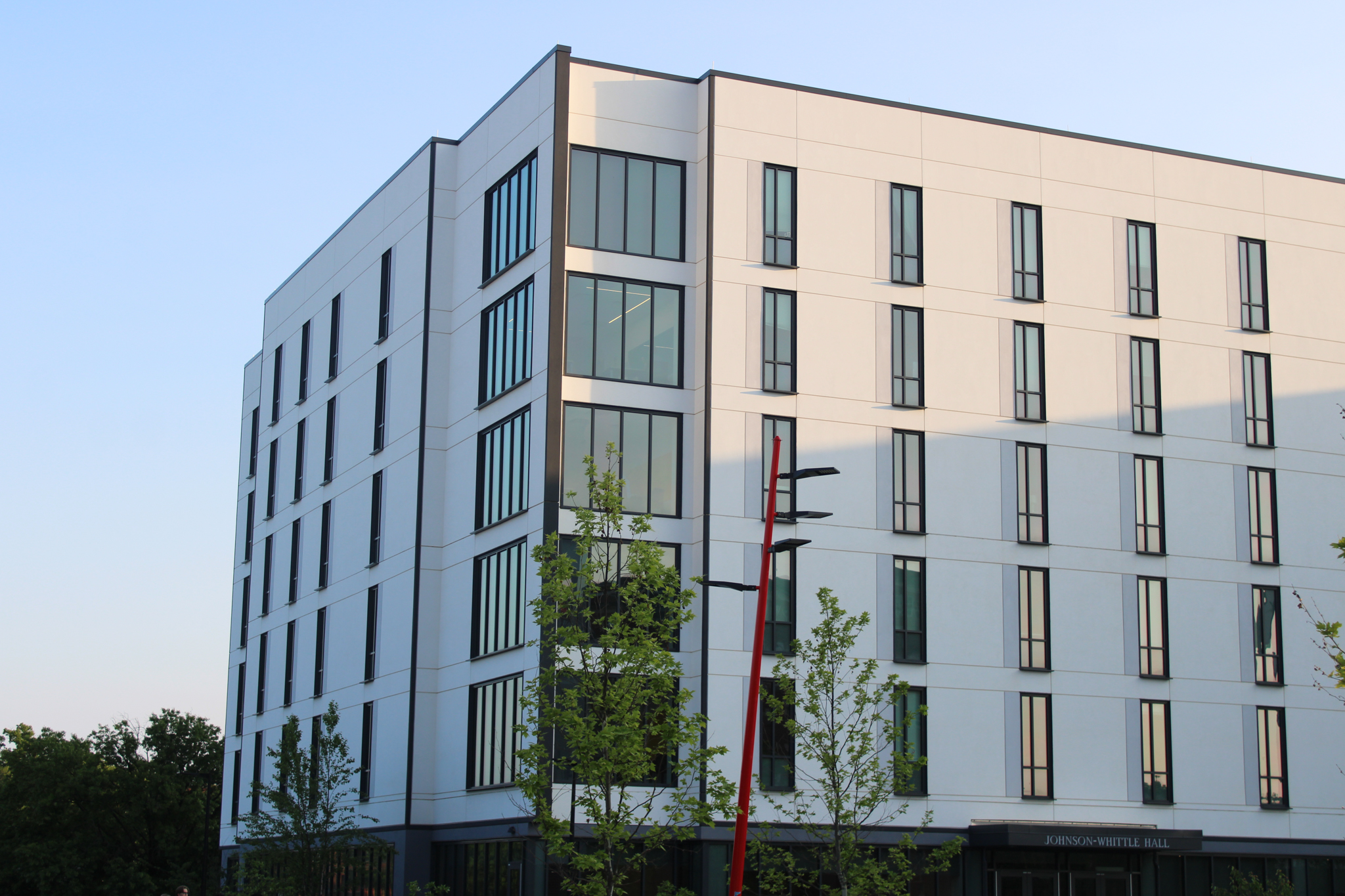
White, a 19-year-old from Belcamp, Maryland, was a resident of Johnson-Whittle Hall, where the recording device was found, The Diamondback reported in March. A Johnson-Whittle Hall resident reported finding a portable recording device in a single-use bathroom in the dorm on March 11, the University of Maryland Police Department wrote in a news release on March 18.
[UMD residents cannot bring personal electric scooters to campus this fall]
The resident told UMPD she was in the shower in Johnson-Whittle Hall, when the lights turned off, and she noticed a blue light coming from a closed wall disposal receptacle, court documents state. The resident found a camera lens taped with blue painter’s tape inside the waste bin which was pointed at the toilet area.
This university’s information technology division found the device has been registered to connect to the university Wi-Fi system by the university directory ID assigned to White, the documents state. The same blue painter’s tape was discovered in two other bathrooms.
Detectives received an arrest warrant for White on March 14, who turned himself in to the Department of Corrections in Upper Marlboro, Maryland on March 18, UMPD wrote.
White was initially charged with three offenses: peeping tom, secretly recording someone with “prurient intent” and visual surveillance of private body parts, according to UMPD.
UMPD referred to the Prince George’s County State’s Attorney’s Office in response to a request for comment. The state’s attorney’s office did not immediately respond to a request for comment.
[U.S. Supreme Court lets Trump proceed with mass Education Department layoffs]
This university declined to comment on the case’s outcome.
White first appeared in court on May 23, where his attorney James Zafiropulos advised the court that the state had not yet provided discovery, according to court documents.
Maryland Judge John Bielec ordered prosecutors to provide discovery, or evidence, on or before July 1, which they did not provide, according to the court documents.
White’s attorney called on the judge to issue a protective order which asked the court to block prosecutors from making specific disclosures during trial, stop prosecutors from introducing evidence, disqualify the prosecutors’ witnesses from testifying and to restrict the state in any manner the judge deems necessary.
The motion called to dismiss the case with prejudice due to the state’s failure to provide discovery. White’s attorney Zafiropulos asked Judge Stewart to pass the motion, which she agreed to do.