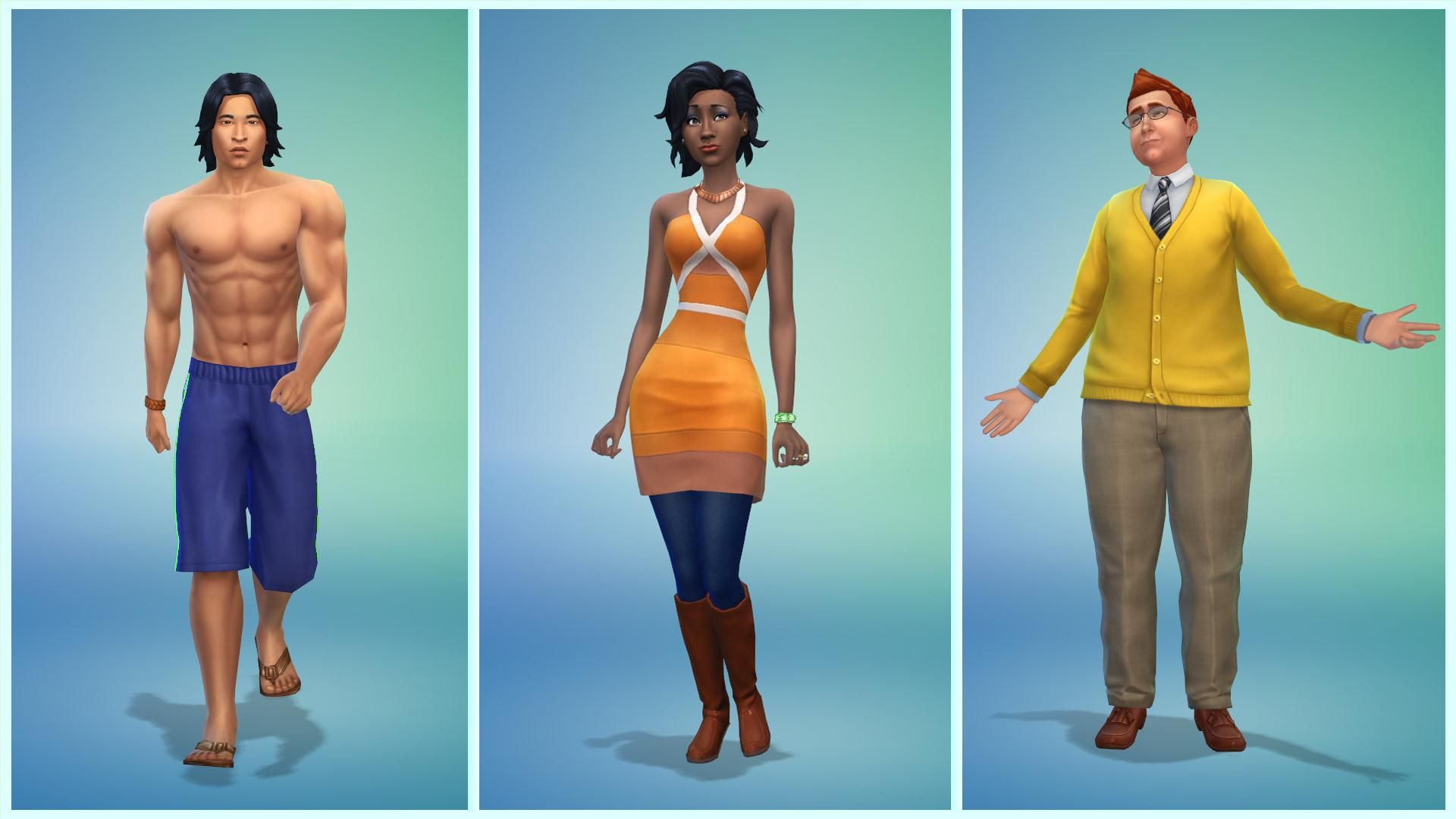

The Sims 4
Have you ever accidentally set the kitchen on fire while trying to cook mac and cheese? Have you ever attempted to kill someone by taking away a ladder while he or she was swimming? Have you ever made two people “Woo-hoo?” If you’ve ever done any of these things, then chances are you’ve played The Sims.
The quirky life-simulator series has been incredibly popular with everyone from the most casual to the most hardcore gamers since the first game was released 2000. While it may seem mundane to make little digital people clean the house, cook dinner, and go to school, just as we do in the real world, the game’s silliness has always made playing god lots of fun, even when doing menial tasks like cleaning the bathtub or cooking “Goopy Carbonara.”
The past few incarnations of the series have consistently improved upon the original game, updating graphics, adding lifetime goals and giving small reward points for fulfilling the short-term desires of your Sims. But with last week’s much-anticipated release of The Sims 4 seems to indicate a step back for the series, and a step in a negative direction for gaming as a whole.
It was revealed over the summer that two classic features of the series, pools and toddlers, would be absent from this latest iteration. Though the cited reason was that developers just didn’t have the resources available to add in these features, the announcement left fans disappointed that the easy fitness/murder tool of the pool would not be available and that immediately following infancy, the babies would grow into walking, talking school children.
While some fans were too excited about the renovated house-building tools and character design engine to be concerned over these trivial game elements, this revelation started to make other fans feel on edge; what other changes did Electronic Arts have in store for the beloved game franchise?
Now that the game has been released, it appears these omissions were only the beginning, and that The Sims 4 is a generally disappointing game. Sure, it can be difficult to keep improving on an already wonderful series, but reviewers have been indicating that the developers held back more than they gave to players. While the game allows players to multi-task with their Sims and cater better to their Sims’ moods, the game is missing the fluid, open-world vibe of the previous games in the series, as well as a number of appliances and fun objects for the Sims to engage with.
Overall, The Sims 4 seems like just another in a series of bad omens for the gaming industry. Many gamers are already cautious about the overwhelming influx of new games that are released with pay-to-play downloadable content. After all, who wants to pay additional cash on top of a $60 game just to unlock all the features that were already in the game’s code to begin with?
While this “pay for premium content” model is undoubtedly annoying, it works just fine for free Facebook or app games like Candy Crush Saga or the Kardashian game; for those games, it is entirely possible that you may never have to shell out cash to progress.
But when it comes to traditional games you have to purchase, nothing is more irritating than buying a half-baked product with expectation that the bells, whistles, and actual fun content of the game are only available for an additional fee.
But that is what fans feel they are receiving with The Sims 4; to many critics and fans, the game is like a very expensive skeleton, with the real meat of the title still on the (very costly) horizon. The whimsical fun at the core of past games seems to be missing from the bare-bones title, and many gamers aren’t eager to pay more for the fun they already should have been having with their game. Hopefully enough gamers take a stance against predatory game sales so that companies are forced to return to the old way of making and selling games: doing it right the first time.


