This is not a discussion about gun regulation. Anyone keeping up with national headlines in the past year is acutely and uncomfortably aware that gun violence has invaded peaceful Florida neighborhoods, packed movie theaters, bright elementary schools and many places of work, study and worship. As someone who lives in the greater Baltimore area, I hear about violent gun crimes weekly. And yesterday, students of this university, who were already on edge about armed robberies around and on the campus, got another text message alert — this one referring to the murder-suicide of two fellow students, and the attempted murder of another.
Today, College Park does not feel safe.
Shootings at this university occur infrequently, but the recent tragedy created another wave of anxiety, fear and panic in the community. It has highlighted our student body’s vulnerability to violence. At a prestigious learning institution like ours, students’ and parents’ main concerns should be our academics, not our safety.
I hate guns. But right now, I don’t want to talk about guns, or who has guns, or who shouldn’t be able to get guns.
This university brags about blue safety lights on the campus, our police force and our vehicle checkpoints that deter criminals from accessing our campus. But it doesn’t brag about the University Health Center’s inability to keep up with the amount of stressed and mentally exhausted students who want counselors. (It takes about two weeks to even get a preliminary appointment with mental health services, and then another week to a month for an actual visit.)
College students, often prone to mental disorders, may become a threat to other students, and themselves, if they cannot easily access treatment. The health center offers its assistance to students, but does not require it, and students who feel our cultural stigma against individuals with mental disorders may never call that number. They may not even be aware that they exhibit signs of a mental disorder, and even if they do, they might be uninformed of the limited services the university offers.
Politicians and pundits regularly discuss gun control and access to mental health facilities, but we cannot afford to wait for the lengthy, tedious task of gun regulation and health care legislation to work its way down to our institution. To protect our students, we need to act. Amid budget cuts, the university needs to prioritize the safety of its students — not just from off-campus cell phone snatchers, but from ourselves.
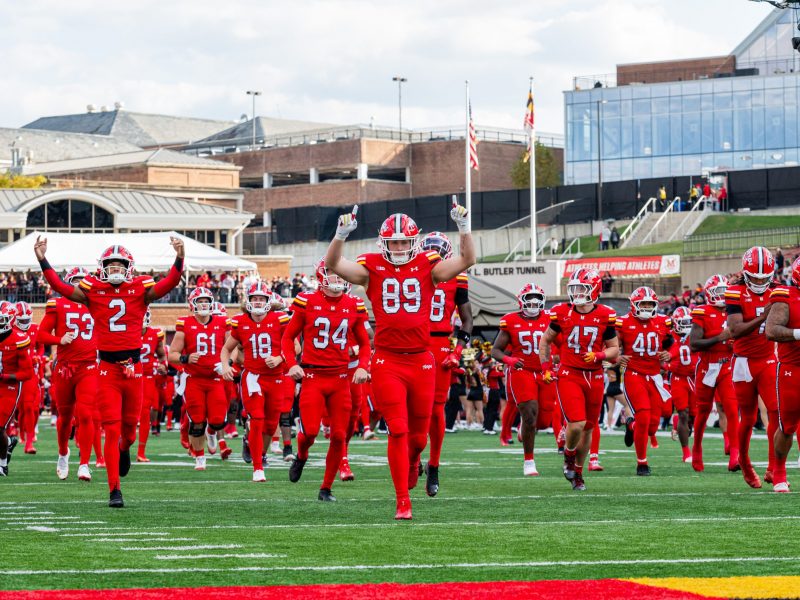
This university needs to stop spending money on iPads for our athletic teams and direct that money toward mandatory mental health screenings for incoming students. If every returning student completed a mental evaluation, the university would have the ability to spot potential illnesses and individually assist students in need. We need to provide educational initiatives that teach students how to prevent crime and how to break down the stigma against people with mental illnesses. Students who voluntarily schedule counseling appointments should not have to wait weeks to meet with a health professional.
If our students’ mental health becomes a priority for this university, our GPAs and graduation rates will improve, the happiness of our student body will increase and our campus will only become safer.
Kelsey Sutton is a sophomore English and journalism major. She can be reached at k.marie.sutton@gmail.com.